
The planning desk
Start with the question. Then work the numbers.
Four open tools to help you think through a sale. Use what you know, explore what changes, and bring the unanswered questions to us.
What could my home be worth?
Understand what an estimate can tell you, what it leaves out, and where a property-specific review helps.
Useful to have: Your property and relevant market comparisons
How much equity might I have?
Put estimated value beside the debt secured by your home. Equity is a starting point, not the amount you take home.
Useful to have: Estimated value and mortgage balances
What would I actually keep?
Work through sale price, payoff and selling costs to see how your assumptions affect what remains.
Useful to have: Price, payoff and estimated selling costs
What does waiting cost me?
Compare assumed sale prices and added ownership expenses, with a chart showing when waiting uses up the difference.
Useful to have: Comparison value, carrying costs and time scenarios
Keep the numbers connected
Value. Equity. Proceeds.
Three different answers.
A value estimate is not a check at closing. Start with the home, account for debt, then include the costs and terms of selling.
Read the proceeds guidePlanning relationships only. Actual payoff, contract terms and settlement figures still need verification.
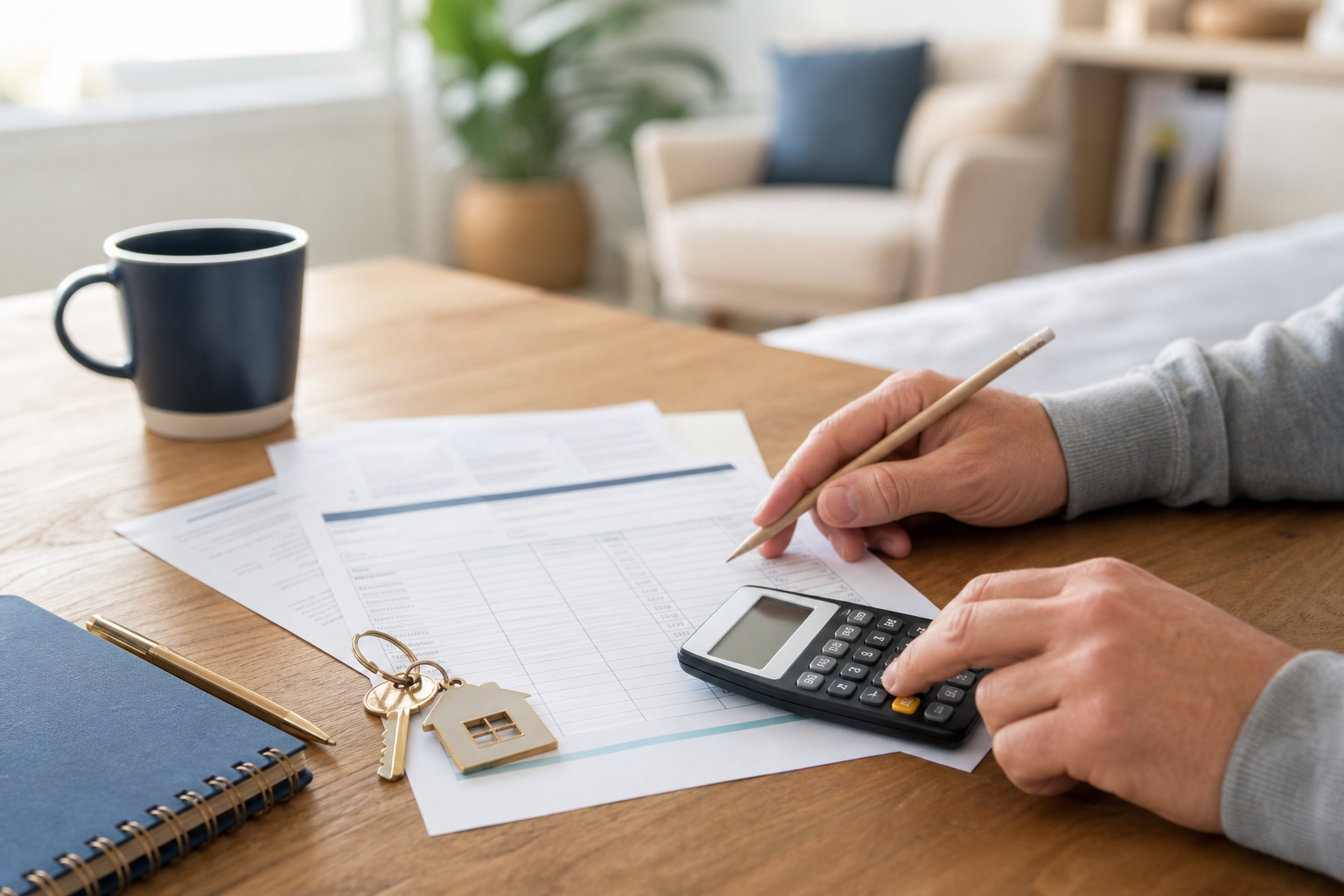
When you want a second set of eyes
Bring us your assumptions.
We can talk through the property, your timing and the figures that need a closer look. You do not have to finish every tool before reaching out.
Talk through my numbersThese tools support planning. They do not provide an appraisal, a guaranteed sale price or a final settlement statement.